14 August 2025 · home evening
The Lamp I Leave On
I switched the lamp on before the sky had fully dimmed, which is a habit I picked up one rainy week when the flat felt too still at seven o'clock. The lamp sits on the window ledge facing the corridor, a small warm pool that makes the glass reflect both the room and the outside dark at once. I tell myself it is for reading, but most evenings I end up looking at it more than at the page — the way the light falls on the ledge, the way the estate beyond the glass turns from blue to black in slow stages.
The kettle was on its second boil. I had forgotten the first cup halfway through making it, distracted by laundry I had hung on the corridor rail earlier in the afternoon. The shirts tapped against the metal whenever the wind found the gap between blocks, a soft irregular rhythm that sounded like someone trying a door handle and deciding not to enter. I restarted the kettle without annoyance. The second boil is part of the evening now, as fixed as the lamp.
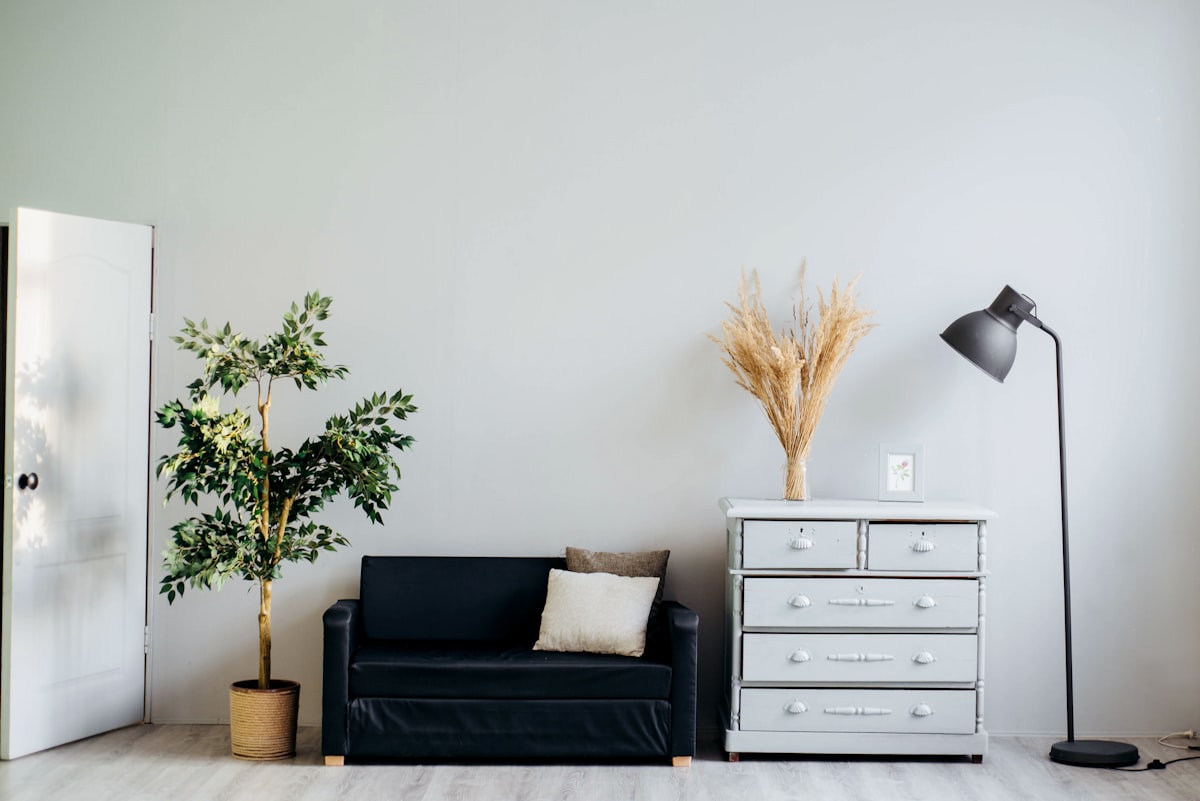
The ledge where the lamp lives
On the arm of the chair lay the paperback I keep not finishing on purpose. I am three-quarters through it and have been for months. If I reach the last page the story will be over, and I am not ready to swap this one for another yet. It is a novel about a harbour town in another country, which is probably why I keep it — the water in the pages feels familiar even when the streets do not. I read two paragraphs, then watched the lamp, then read one more paragraph. That is enough progress for a Thursday.
The flat smelled faintly of detergent from the laundry and of tea leaves from the first abandoned cup. I opened the window a finger's width and the corridor air moved in, cooler than the room. Somewhere below, a neighbour's television murmured through the wall — not loud enough to recognise the programme, just enough to remind me that other people were also passing the hour in their own ways. I liked that. The lamp made my corner visible to anyone walking past, a small sign that someone was home and awake.
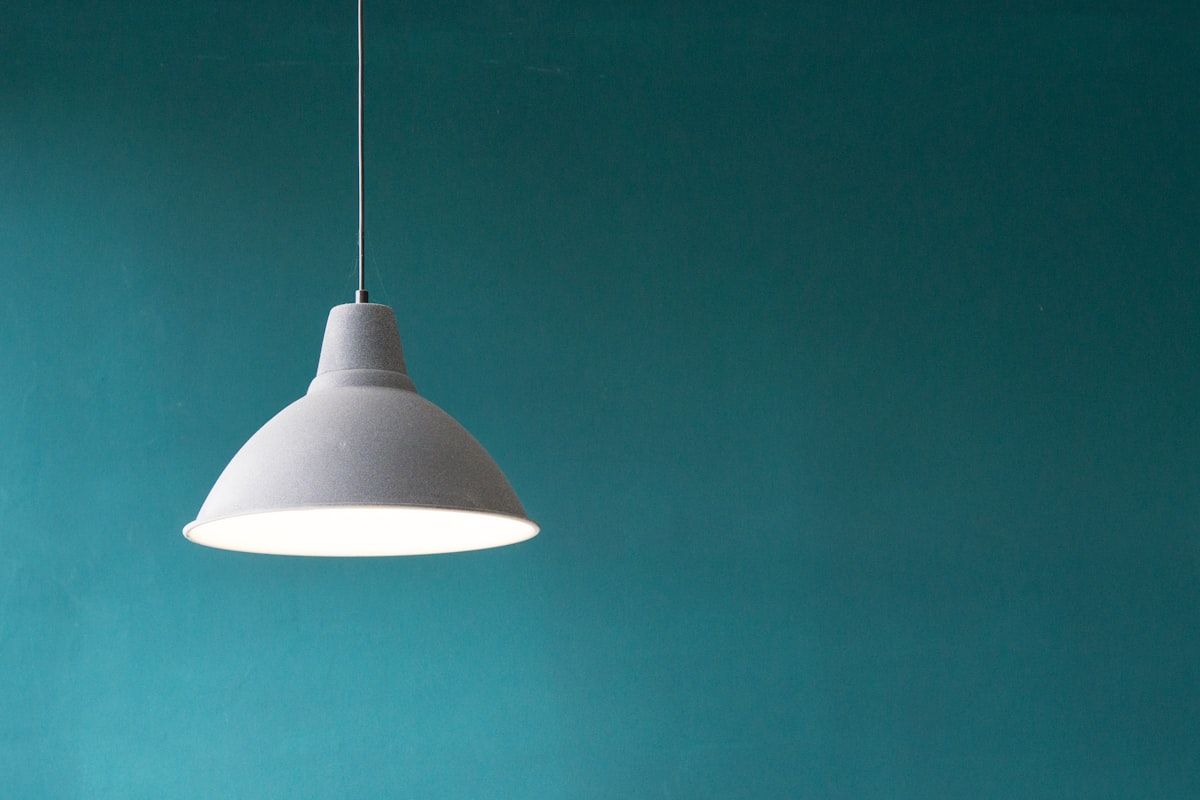
Low tide light, as I call it to myself
I thought about writing a note for this blog and decided the evening itself was the note — no drama, no arrival, just the sequence of small actions that mean I have crossed from day into quiet hours. Boil the kettle twice if needed. Turn on the lamp before it is fully dark. Hang laundry where the wind can reach it. Keep a book open on the chair like a bookmark in time. These are not resolutions. They are the way the flat holds me when the city outside is still busy on other floors.
When I finally poured the tea it was stronger than I meant, and I drank it anyway while standing at the ledge. The corridor rail swayed slightly with the shirts. A cat I did not recognise crossed the void deck below and disappeared into the stairwell. I wrote a sentence in my notebook — something about the second boil — and closed it before I could edit the words into something prettier. Some paragraphs should stay plain.
I leave the lamp on until I am ready for bed, and sometimes a little after. It is not for anyone in particular, though I suppose the corridor can see it. It is for the room itself — a fixed point in the evening when everything else can move slowly. The paperback will still be three-quarters finished tomorrow. The laundry will be dry by morning. The kettle will boil once or twice again. I am all right with that repetition. It is how I mark time when the days would otherwise blur: lamp, ledge, second boil, a page left open on purpose, the soft tap of fabric on metal while the estate settles into night.